Introduction
After a hard run or intense workout, it’s common to end with a cool-down routine – typically light exercise (like jogging or walking) and stretching. This cool-down isn’t just to catch your breath; it plays an important role in your body’s recovery. Two key post-exercise issues are addressed by a good cool-down: lactic acid buildup in muscles and post-exercise hyperglycemia (a spike in blood sugar after exercise). This report explains how an active cool-down helps clear lactic acid from the body and how that can, in turn, moderate rises in blood glucose. We’ll break down the physiology in simple terms, look at how active recovery (cool-down) assists in lactate removal through circulation and muscle metabolism, and examine how it affects glucose production and stress hormones. Relevant studies comparing outcomes with and without a cool-down are also included to highlight these effects.
Lactic Acid Production in Intense Exercise
During vigorous exercise like sprinting or a fast run, muscles often rely on anaerobic metabolism (energy without enough oxygen). This causes the production of lactic acid (which quickly forms lactate and hydrogen ions in the body). High-intensity efforts can lead to an accumulation of lactate in muscle tissue and blood, historically linked to muscle fatigue and the burning sensation in overworked muscles. While lactate itself is not “bad” – it’s a usable fuel – its buildup indicates that the muscles are generating more of it than the body can immediately use or clear. The resulting increase in hydrogen ions can contribute to muscle acidity and discomfort.
In short, a tough workout often leaves you with elevated lactate levels (sometimes called “lactic acid buildup”), which the body needs to remove during recovery.
How Active Cool-Down Helps Clear Lactic Acid
A cool-down involving light activity (often called active recovery) helps the body eliminate lactate faster than complete rest. Low- to moderate-intensity movement (like easy cycling, slow jogging, or gentle swimming) keeps the blood circulating and supplies muscles with oxygen, which is crucial for clearing lactate. Research shows that active cool-downs are more effective than passive rest for removing lactate from the blood. One study noted that a post-workout cool-down can amplify lactate clearance by up to 75% compared to stopping exercise completely.1
This faster clearance happens because:
- Enhanced Circulation: Gentle exercise maintains an elevated heart rate and blood flow, helping transport lactate out of the muscles. The lactate is carried by the blood to other tissues (like the liver, heart, and less-active muscle fibers) that can use it
- Muscle as a Consumer: During active recovery, your muscles continue working at a low level and can oxidize lactate for energy. In well-oxygenated, slow-twitch muscle fibers, lactate is converted back to pyruvate and then used in aerobic metabolism to produce energy
- Lactate Shuttle: The body essentially “shuttles” lactate to wherever it can be burned. For example, the heart is very good at using lactate as a fuel. By staying active, you encourage this process, so lactate from the worked muscles gets consumed as fuel in other places, reducing its concentration in the blood
Without a cool-down, blood flow drops and muscles aren’t actively consuming as much energy, so lactate removal mainly relies on slower processes. With an active cool-down, athletes often observe that the burning sensation or muscle tightness resolves more quickly. Studies have consistently found that light exercise after intense workouts speeds up the drop in blood lactate levels in the minutes following exercise.1
Lactic Acid, the Liver, and Gluconeogenesis
When lactate is released from muscles into the bloodstream, it doesn’t go to waste – the body can reuse it through a process called the Cori cycle. This is the metabolic pathway in which lactate is taken to the liver and converted back into glucose (blood sugar), which can then be sent out to be used as energy again. This is an important way the body recycles lactate, especially during recovery or when oxygen is available again.
In healthy individuals, lactate is actually the primary precursor for gluconeogenesis – meaning the liver uses lactate as the main ingredient to make new glucose. This is true at rest and during exercise recovery: a large portion of any extra lactate gets shuttled to the liver and turned into glucose. The rate of this lactate-to-glucose conversion in the liver is driven by several factors: the concentration of lactate in the blood, how much blood is flowing through the liver (delivery rate), and the hormonal environment (especially levels of stress hormones like catecholamines and glucagon that signal the liver to produce sugar).2
An active cool-down can make a difference here: by using more of the lactate as fuel in muscles, a cool-down potentially reduces the amount of lactate delivered to the liver for gluconeogenesis. In other words, if your muscles burn up some of that lactate during the cool-down, there’s less available to be converted into extra glucose.
Post-Exercise Hyperglycemia: Why Blood Sugar Spikes
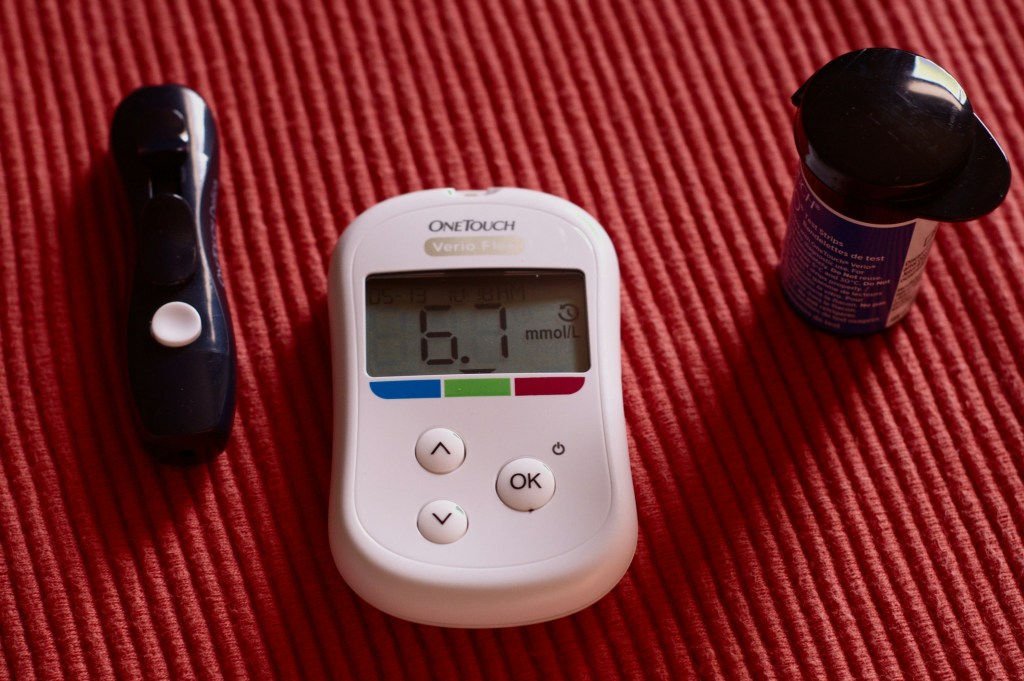
Post-exercise hyperglycemia refers to a rise in blood sugar levels following strenuous exercise. It might sound odd – we often think of exercise as lowering blood sugar – but after very intense or anaerobic workouts, a spike can occur. The primary reasons are the body’s stress hormones and metabolic rebound effects:
- Adrenaline (Epinephrine): Intense exercise triggers the release of adrenaline, which signals the liver and muscles to break down glycogen (stored carbohydrate) and release glucose into the bloodstream.3 This is the body’s way of making sure plenty of fuel is available for hard-working muscles. Adrenaline also makes tissues temporarily less sensitive to insulin and suppresses insulin release.
- Gluconeogenesis and Liver Output: As discussed above, the liver converts excess lactate into glucose in response to high levels of stress hormones, resulting in further glucose being dumped into the bloodstream.
- Reduced Muscle Uptake Post-Exercise: During exercise, muscles can take in glucose without needing as much insulin. Right after intense exercise stops, this uptake may slow, yet the liver might still be releasing glucose.
One study observed a “delayed and transitory rebound” in blood glucose about 30–60 minutes after short, high-intensity exercise, even as lactate was being cleared.4
How a Cool-Down Mitigates Post-Exercise Hyperglycemia
An active cool-down can help take the edge off the post-workout blood sugar rise:
- Continued Muscle Uptake of Glucose: During a cool-down, muscles keep using glucose for energy. This helps balance the extra glucose the liver is releasing.
- Lactate Consumption vs. Conversion: Active recovery encourages muscles to oxidize lactate for energy, reducing the amount sent to the liver for gluconeogenesis.
- Gradual Reduction of Stress Hormones: A cool-down allows adrenaline and cortisol levels to decline more gradually, which can moderate liver glucose output.
- Improved Insulin Sensitivity: A bit of aerobic activity improves insulin sensitivity, helping glucose be absorbed by muscles once insulin becomes available again.
Evidence from Research
A crossover trial with adults with type 1 diabetes compared outcomes after high-intensity resistance workouts with and without a 10-minute aerobic cool-down. During the cool-down, blood glucose dropped by about 0.6 mmol/L, while it rose by 0.7 mmol/L during passive rest.5 This suggests even a short cool-down can significantly blunt immediate post-exercise hyperglycemia, though the long-term glucose exposure (over hours) remained similar.
The American Diabetes Association also advises a cool-down after anaerobic exercise as a strategy to help lower post-exercise blood sugar.6
Conclusion
A proper cool-down routine after intense aerobic exercise helps clear lactate from the body and mitigate post-exercise hyperglycemia. Light activity sustains circulation, enables lactate oxidation in muscles, and reduces the raw material and hormonal triggers for excess glucose production in the liver. While blood sugar may still rise after a tough workout, a cool-down helps the body manage it more gradually and effectively.
References
- Greenwood JD, Moses GE, Bernardino FM, Gaesser GA. Intensity of exercise recovery, blood lactate disappearance, and subsequent swimming performance. J Sports Sci. 2008;26(1):29-34.
- van Hall G. Lactate as a fuel for mitochondrial respiration. Acta Physiol (Oxf). 2010;199(4):499-508.
- Galbo H. The hormonal response to exercise. Diabetes Metab Rev. 1986;1(4):385-408.
- Larsen JJ, Dela F, Kjaer M, Galbo H. The effect of intense exercise on post-exercise insulin action in humans. J Physiol. 1997;504(Pt 2):577-583.
- Yardley JE, Kenny GP, Perkins BA, Riddell MC, Malcolm J, Boulay P. Effects of performing resistance exercise before versus after aerobic exercise on glycemia in type 1 diabetes. Diabetes Care. 2012;35(4):669-675.
- Colberg SR, Sigal RJ, Fernhall B, et al. Exercise and type 2 diabetes: the American College of Sports Medicine and the American Diabetes Association joint position statement. Diabetes Care. 2010;33(12):e147-e167.
 Dr. Nirmal Nair
Leave a comment