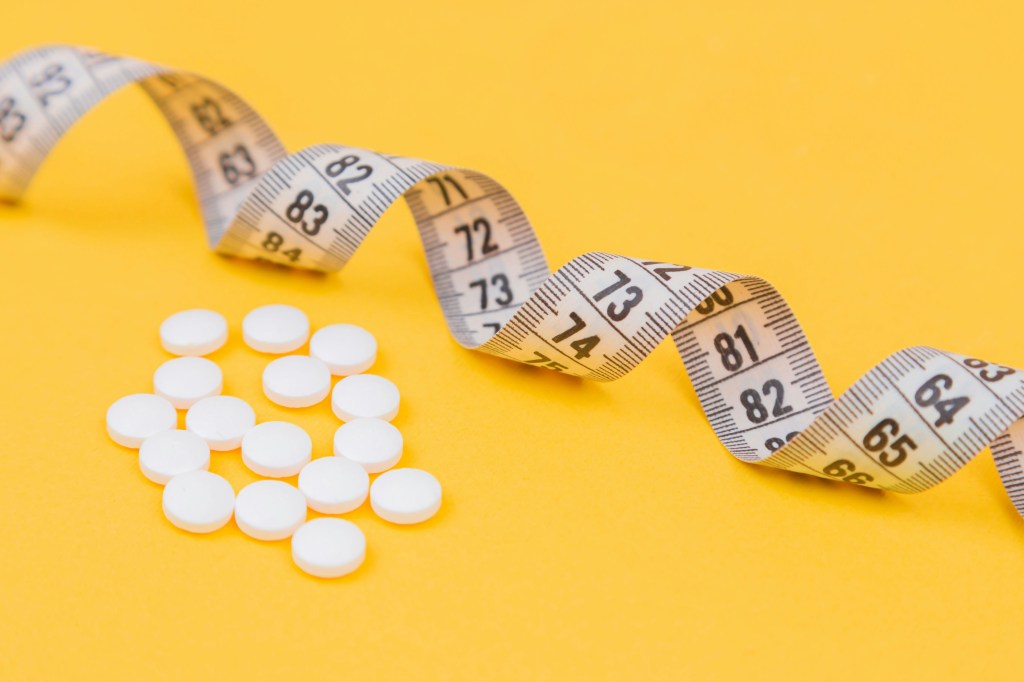
The challenge in obesity medicine has always been this: to what extent is obesity a disease, and to what extent is it a mental or behavioral disorder? Framing it as either extreme feels overly simplistic. Most people who carry extra weight—whether just a few pounds or significantly more—have often been at or near that weight for most of their adult life. So clearly, there are deeper, more persistent forces at play.
When I see someone who’s gained 50 pounds beyond their ideal weight, it usually reflects a significant shift—either physiologically or in their day-to-day life. The pandemic really exposed this. It disrupted routines across the board, and what followed was almost an epidemic of weight gain.
For working-class individuals who relied on manual labor, or for those with consistent gym habits, life suddenly became sedentary. White-collar workers who were used to even minimal movement at the office found themselves at home, moving less than ever. And while these changes might seem small—maybe just 100 to 200 calories a day less burned—they add up over time.
Let’s break it down: if someone used to get 5,000 steps a day from their job, that’s roughly 150 calories burned. Over 20 days, that’s 3,000 calories, or about one pound gained. And most people don’t notice subtle changes in weight until they’ve gained at least five pounds. Over the course of a year, this could easily amount to 20 pounds.
But it doesn’t stop there. The weight gain itself makes further weight loss harder. While BMR does increase with weight, the relationship is far from linear and is heavily influenced by body composition. Muscle mass is metabolically active—burning about 6 kcal per pound per day—while fat mass burns only around 2 to 3 kcal per pound per day.¹,² In one study, a 7.3% weight gain led to only a 4.7% increase in BMR, and that was primarily due to an increase in fat-free mass—not fat mass.³ So, if the weight gained is predominantly fat, BMR increases only modestly, while the body’s total energy demands do not scale meaningfully.
This is compounded by psychological and neurobiological changes. As body weight increases, so does the brain’s reward response to food stimuli, especially in regions like the basal ganglia. Multiple fMRI studies have shown that individuals with obesity exhibit heightened activity in reward and salience networks when exposed to food cues, particularly high-calorie foods.⁴,⁵ So the very systems meant to regulate appetite and satiety become increasingly dysregulated.
Our capacity for restraint is undermined by this hyperactive reward signaling. Stress only magnifies it. The reward of food is immediate and effortless—200 calories from a handful of nuts can disappear before you realize it. Combine this with the fact that fat mass doesn’t significantly enhance metabolism, and you get a compounding cycle of weight gain that becomes harder and harder to reverse.
Obesity, then, isn’t just a metabolic condition or a psychological condition—it’s both. A disease of energy imbalance, yes, but also one deeply tied to how the brain perceives reward and regulates behavior. Understanding this dual nature is key to effective, compassionate treatment.
References (AMA Style)
- McClave SA, Snider HL. Use of indirect calorimetry in clinical nutrition. Nutr Clin Pract. 2001;16(4):207-221. doi:10.1177/011542650101600421
- Müller MJ, Bosy-Westphal A, Krawczak M. Genetic studies of common types of obesity: a critique of the current use of phenotypes. Obes Rev. 2010;11(8):612-618. doi:10.1111/j.1467-789X.2009.00690.x
- Leibel RL, Rosenbaum M, Hirsch J. Changes in energy expenditure resulting from altered body weight. Obesity (Silver Spring). 2006;14(3):528-538. doi:10.1038/oby.2006.71
- Stoeckel LE, Weller RE, Cook EW 3rd, Twieg DB, Knowlton RC, Cox JE. Widespread reward-system activation in obese women in response to pictures of high-calorie foods. Neuroimage. 2008;41(2):636-647. doi:10.1016/j.neuroimage.2008.02.031
- Devoto F, Zapparoli L, Vergallito A, et al. Neural bases of food preference in obesity: Insights from functional magnetic resonance imaging. Sci Rep. 2021;11(1):3372. doi:10.1038/s41598-021-83116-0
 Dr. Nirmal Nair
Leave a comment